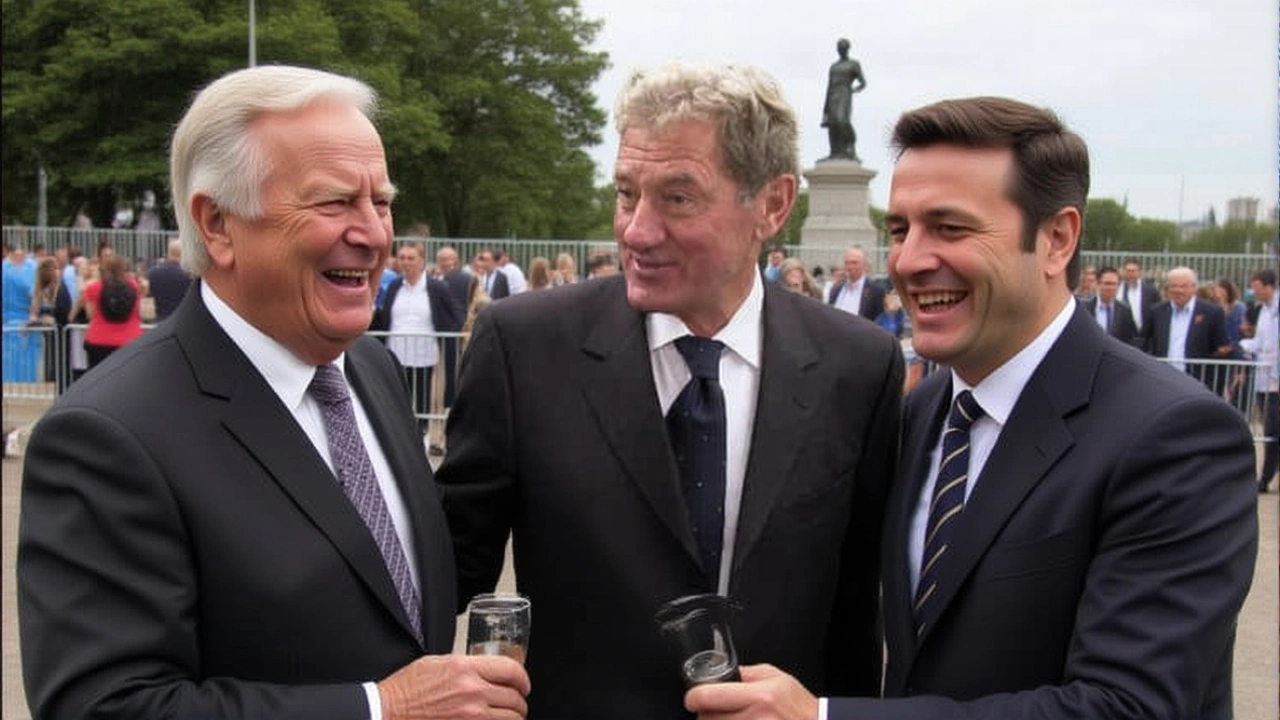
When Fred Dinenage, TV presenter and former ITV Meridian sat down to speak about his time as a club director, he painted a vivid picture of Milan Mandaric, the charismatic businessman who owned Portsmouth FC during its most celebrated era. The duo’s partnership, Dinenage says, was a "roller‑coaster of emotion and ambition," and it helped the club climb from the First Division to the Premier League before the turn of the millennium.
Mandaric’s Era: The Rise to the Premier League
Mandaric bought the club in 1999, injecting cash that seemed to flow like water through the old Fratton Park walls. By May 2001, Portsmouth had secured First Division survival – a feat Dinenage remembers as a "collective sigh of relief" that echoed through Southsea. The following season, with a squad bolstered by seasoned internationals, the Premier League promotion campaign reached its climax in 2003, delivering the Seaside city its first top‑flight football in nearly half a century.
Fred Dinenage: From TV Screens to Boardrooms
Outside the studio lights, Dinenage swapped his presenter’s script for boardroom minutes. He recalls early mornings at Fratton Park, where he would greet new signings and help negotiate contracts while still filming regional news. "I was living two lives," he chuckles, "one with a teleprompter, the other with transfer paperwork." His dual role gave him a front‑row seat to Mandaric’s volatile temperament – one moment he’d be praised for a bold signing, the next he’d hear a terse rebuke over a missed deadline.
Key Moments: Survival, Managers, and Milestones
Beyond the promotion, several flashpoints defined the Mandaric years:
- May 2001 – First Division survival confirmed after a 2‑1 win over Birmingham City.
- June 2002 – Appointment of Harry Redknapp, former West Ham United manager, who would later steer the club to promotion.
- August 2003 – Premier League debut against Manchester United, a match that drew 34,000 fans to Fratton Park.
- December 2005 – Mandaric’s public feud with the board, later described by Dinenage as "the most volatile episode of his tenure".
Each milestone carried its own drama, and Dinenage was there to capture the reactions – both on camera and in the executive suite.
Perspectives: Former Colleagues Recall the Atmosphere
Former striker and club legend Steve Claridge once told Dinenage that Mandaric’s “emotional” nature meant the boardroom felt like a press conference – always on, always intense. Meanwhile, long‑time fan activist Mike Lake remembers the owner’s generosity, noting that Mandaric funded community outreach programs that “put a smile on kids’ faces across Portsmouth.” The contrast between generosity and volatility created a unique culture that still lingers in the club’s DNA.
What Lies Ahead: Danny Cowley’s Challenge
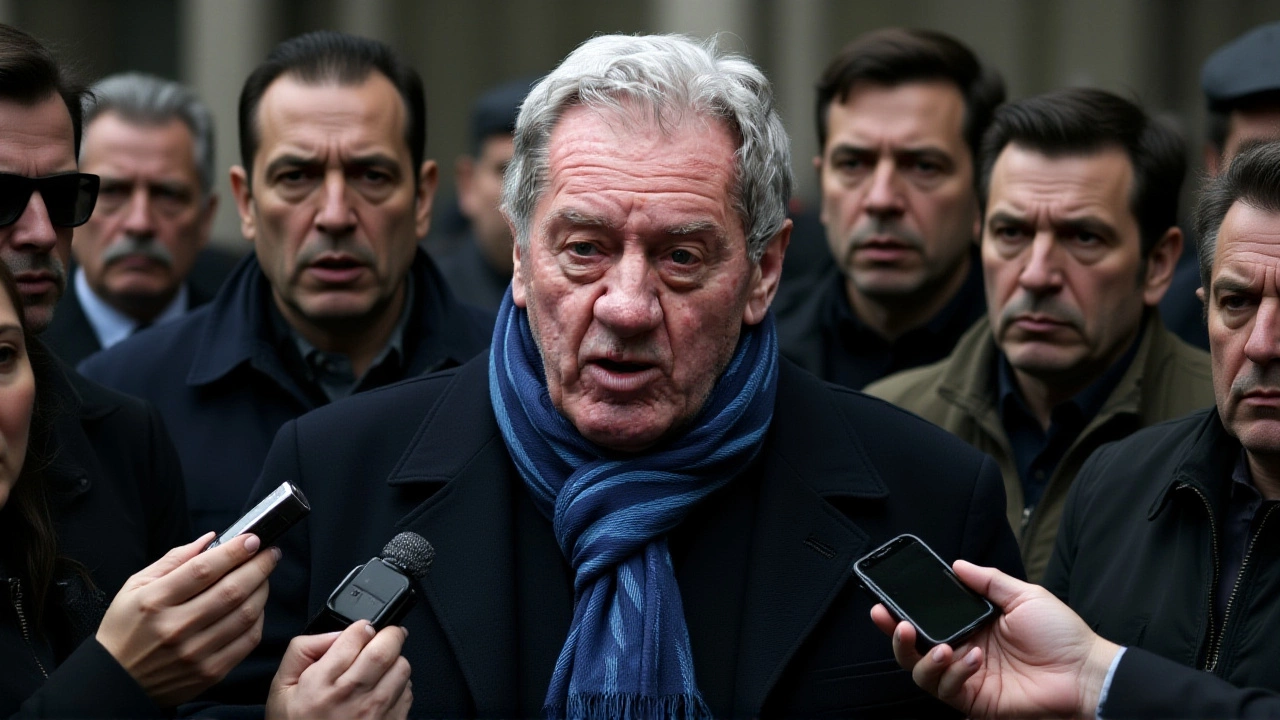
Fast‑forward to today, Dinenage’s optimism is directed at Danny Cowley, the current Portsmouth manager, who he hopes can "replicate that magic" of the early 2000s. Cowley, known for his pragmatic style, has already guided the team to strong cup runs, but the Premier League remains a distant dream. Dinenage believes the blueprint is simple: blend Mandaric’s willingness to invest with Cowley’s tactical discipline.
Yet the financial landscape has shifted. The club no longer enjoys the deep pockets of a single billionaire; instead, ownership is spread across a consortium of local investors. This means any push for top‑flight status will require not just money, but strategic planning – a lesson Dinenage says Mandaric taught him "the value of daring, but also the danger of impulse".
Key Facts
- Mandaric purchased Portsmouth FC in 1999 for an estimated £15 million.
- First Division survival secured on 26 May 2001.
- Promotion to the Premier League achieved on 26 May 2003.
- Fred Dinenage served as club director from 2000‑2005.
- Danny Cowley appointed manager in 2021.
Frequently Asked Questions
How does this affect Portsmouth fans?
Fans see a blend of nostalgia and hope. The recollection of Mandaric’s golden era rekindles pride, while Dinenage’s endorsement of Danny Cowley fuels belief that a return to the Premier League is possible, even if the financial model is now more community‑driven.
What led to Mandaric’s departure from Portsmouth?
A combination of escalating debts, strained relations with the board, and mounting pressure from supporters forced Mandaric to sell his majority stake in 2006. The fallout included a brief administration period that left the club scrambling to stay afloat.
Who were the key managers under Mandaric?
Aside from Harry Redknapp, who delivered the promotion, the era also featured Alan Ball, who laid the tactical groundwork, and Gérard Houllier, whose brief stint introduced modern training methods that persisted long after his exit.
What are Danny Cowley’s chances of reaching the Premier League?
Analysts point to Cowley’s recent cup performances and solid defensive record as encouraging signs. However, the lack of a single wealthy benefactor means progress will be slower, relying on smart recruitment and sustained community support.
How did Fred Dinenage balance TV work with club duties?
Dinenage kept a rigid schedule, often filming in the mornings and attending board meetings in the afternoons. He credits his ability to "switch off"—treating each role as a separate performance—to avoid conflicts and maintain his on‑screen credibility.